Share Peter Sinclair's obituary with others.
Invite friends and family to read the obituary and add memories.
Stay updated
We'll notify you when service details or new memories are added.
You're now following this obituary
We'll email you when there are updates.
Select your format and elements to print

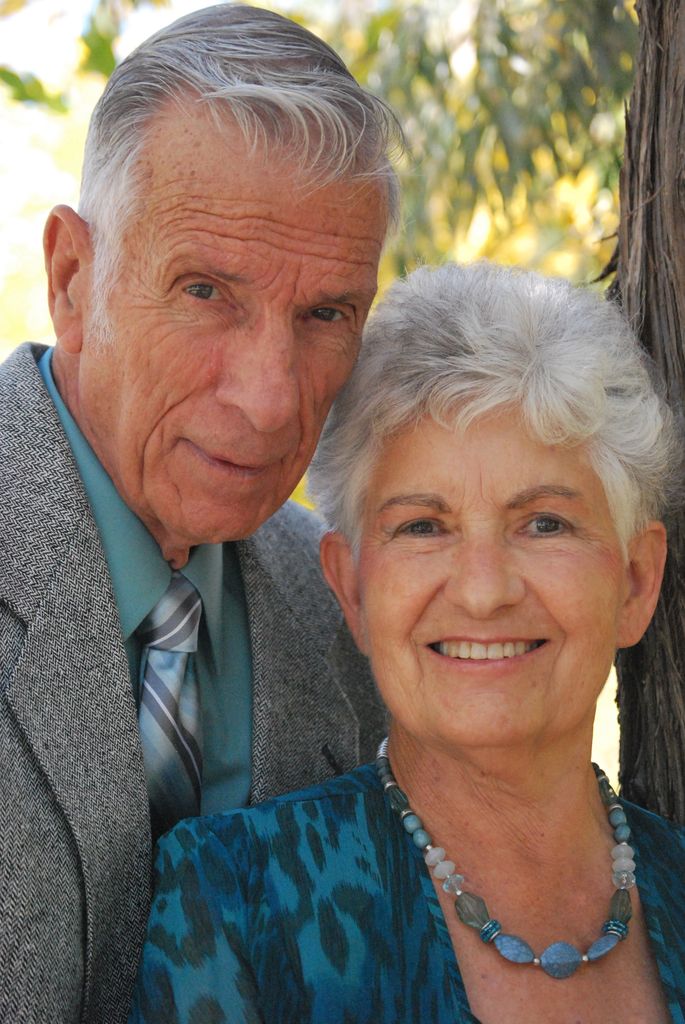
In Memory Of
Peter Sinclair
1929
2015


Peter Sinclair
Feb 17, 1929 — Jan 21, 2015
Peter Charles Sinclair was born in Seattle, WA on February 17, 1929. His father, Peter McMillan Sinclair came to America from Scotland at age 19, and became a naturalized citizen in 1918 by serving in the U.S. Army and settled in the Seattle area. Pete's mother, Lenore Weiss, moved with her family from South Dakota to Seattle in 1905. Peter McMillan and Lenore were married in 1919. Pete's father died when he was only four years old. Pete had one older brother, Philip (1925-2006). Lenore raised the boys in the University District of Seattle.
Pete graduated from High School in 1947 and from the University of Washington in 1952 with a degree in Meteorology. During the summers of his college years he joined a fishing crew in Seldovia, Alaska, owned by the legendary "Squeaky" Anderson, a retired U.S. Admiral. Pete was commissioned in 1952 as a 2nd Ltd. in the U.S. Air Force as a result of his ROTC training. His four year active duty assignment was with the Weather Detachment at McClellan AFB in Sacramento, CA. He received a Masters Degree in Meteorology from UCLA in 1958. Around this same time he sold his sports car, a Jaguar, to purchase his first plane, a sailplane (or glider).He met his wife, Mary, in Pasadena, CA in 1959 and they were married in Los Angeles in 1960. They moved shortly thereafter to Tucson, AZ and two daughters, Jacqueline and Teresa, were born there. Pete would earn his Ph.D. in Atmospheric Science from the University of Arizona in 1965. He used his sailplane to fly through dust devils and conduct research for his Ph.D. His desert research on dust devils is still referenced today by those studying the topic and he was sometimes hired as an expert witness in cases of accidents involving dust devils. He was to become know as "Dr. Dust Devil" for his research and doctoral thesis done at this time period.
Pete accepted a position as Assistant Professor of Atmospheric Science at CSU, moving his family (and sailplane) to Fort Collins in 1965. The close proximity of an airfield and research lab to the foothills campus provided a unique opportunity for Pete as both a scientist and a pilot. He served as faculty advisor to the CSU flying club and was involved in both research and graduate student teaching. He was a maverick and an inventor, always believing in the impossible and asking, why not? He gave great energy to designing instruments that took cloud measurements from aircraft. He worked in the hail suppression program, the Rough Rider Project and NASA's cloud tracking program. Throughout the 70's and 80's several aircraft were used in his research programs including a North American T-6 and T-28, a Beech Queen Air, Cessna T-207 and NASA Leer jet. In a bold and unprecedented move, Pete managed to acquire a decommissioned military plane, the McDonnell F101B, donated by the Air Force to CSU. Flown out of Buckley Air Force Base in Denver and piloted by a test pilot from CA, Pete rode in the back seat and conducted high altitude severe thunderstorm penetrations. The plane was known at military bases around the country as "The Gray Ghost". The F101 is currently on display at the Forbes Air Museum in Topeka, KS. He developed new low-speed air sampling aircraft deployed to the Atomic Energy Commission, studied and flew into waterspouts in Key West, developed rockets for cloud seeding to lessen severity of hailstorms, and did work in the Grand Canyon. He traveled to Argentina, India and Saudi Arabia on either research endeavors or to present scientific papers to foreign colleagues. In his latter years, he often marveled and gave thanks to God for the protection and provision afforded to him during his dangerous flying years.
Four more children were added to the family in Ft. Collins, Michael, Douglas, Suzanne and Lisa. In addition to his work at CSU, Pete and his family raised alfalfa on a small farm north of Ft. Collins. His children remember summers of hard work irrigating, controlling weeds, cutting, baling and selling hay. Family memories of Pete include, watching reel to reel movies of tornados, bedtime stories involving tales of the "red and blue airplanes and the "light people", sailing a Catamaran on Terry Lake, the purchase of a Dune Buggy that he drove to work in fair weather and a spray paint experiment on Toads to determine their travel pattern around the farm! After his retirement in 1992, Pete and Mary enjoyed several wonderful years traveling with their 5th Wheel.
Pete left a legacy of personal integrity, a strong work ethic and high standards that is carried on in his children.
In lieu of flowers, please consider making a donation in Peter's name to: Missionary Aviation Fellowship (MAF) at donorservices@maf.org or Samaritans Purse at samaritanspurse.org
Pete graduated from High School in 1947 and from the University of Washington in 1952 with a degree in Meteorology. During the summers of his college years he joined a fishing crew in Seldovia, Alaska, owned by the legendary "Squeaky" Anderson, a retired U.S. Admiral. Pete was commissioned in 1952 as a 2nd Ltd. in the U.S. Air Force as a result of his ROTC training. His four year active duty assignment was with the Weather Detachment at McClellan AFB in Sacramento, CA. He received a Masters Degree in Meteorology from UCLA in 1958. Around this same time he sold his sports car, a Jaguar, to purchase his first plane, a sailplane (or glider).He met his wife, Mary, in Pasadena, CA in 1959 and they were married in Los Angeles in 1960. They moved shortly thereafter to Tucson, AZ and two daughters, Jacqueline and Teresa, were born there. Pete would earn his Ph.D. in Atmospheric Science from the University of Arizona in 1965. He used his sailplane to fly through dust devils and conduct research for his Ph.D. His desert research on dust devils is still referenced today by those studying the topic and he was sometimes hired as an expert witness in cases of accidents involving dust devils. He was to become know as "Dr. Dust Devil" for his research and doctoral thesis done at this time period.
Pete accepted a position as Assistant Professor of Atmospheric Science at CSU, moving his family (and sailplane) to Fort Collins in 1965. The close proximity of an airfield and research lab to the foothills campus provided a unique opportunity for Pete as both a scientist and a pilot. He served as faculty advisor to the CSU flying club and was involved in both research and graduate student teaching. He was a maverick and an inventor, always believing in the impossible and asking, why not? He gave great energy to designing instruments that took cloud measurements from aircraft. He worked in the hail suppression program, the Rough Rider Project and NASA's cloud tracking program. Throughout the 70's and 80's several aircraft were used in his research programs including a North American T-6 and T-28, a Beech Queen Air, Cessna T-207 and NASA Leer jet. In a bold and unprecedented move, Pete managed to acquire a decommissioned military plane, the McDonnell F101B, donated by the Air Force to CSU. Flown out of Buckley Air Force Base in Denver and piloted by a test pilot from CA, Pete rode in the back seat and conducted high altitude severe thunderstorm penetrations. The plane was known at military bases around the country as "The Gray Ghost". The F101 is currently on display at the Forbes Air Museum in Topeka, KS. He developed new low-speed air sampling aircraft deployed to the Atomic Energy Commission, studied and flew into waterspouts in Key West, developed rockets for cloud seeding to lessen severity of hailstorms, and did work in the Grand Canyon. He traveled to Argentina, India and Saudi Arabia on either research endeavors or to present scientific papers to foreign colleagues. In his latter years, he often marveled and gave thanks to God for the protection and provision afforded to him during his dangerous flying years.
Four more children were added to the family in Ft. Collins, Michael, Douglas, Suzanne and Lisa. In addition to his work at CSU, Pete and his family raised alfalfa on a small farm north of Ft. Collins. His children remember summers of hard work irrigating, controlling weeds, cutting, baling and selling hay. Family memories of Pete include, watching reel to reel movies of tornados, bedtime stories involving tales of the "red and blue airplanes and the "light people", sailing a Catamaran on Terry Lake, the purchase of a Dune Buggy that he drove to work in fair weather and a spray paint experiment on Toads to determine their travel pattern around the farm! After his retirement in 1992, Pete and Mary enjoyed several wonderful years traveling with their 5th Wheel.
Pete left a legacy of personal integrity, a strong work ethic and high standards that is carried on in his children.
In lieu of flowers, please consider making a donation in Peter's name to: Missionary Aviation Fellowship (MAF) at donorservices@maf.org or Samaritans Purse at samaritanspurse.org
To send flowers with our preferred florist or plant a memorial tree, please visit our flower store.
Service Schedule
Past Services
Memorial Service
Tuesday, February 17, 2015
1:00 - 3:00 pm
Drake Road Christian Church
Guestbook
Visits: 5
This site is protected by reCAPTCHA and the
Google Privacy Policy and Terms of Service apply.
Service map data © OpenStreetMap contributors