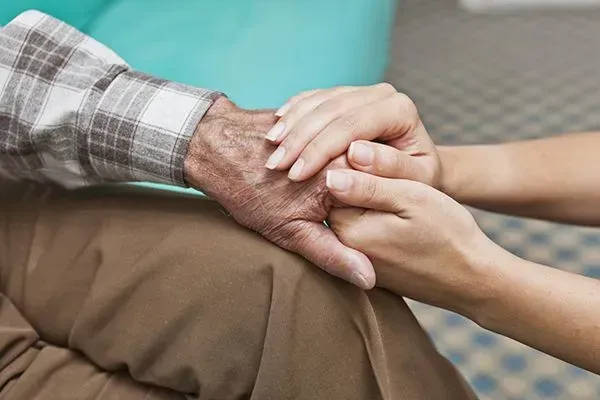
When dealing with a great loss, individuals may experience a range of emotions. Sadness is an obvious and common one, but we may also have feelings of anger or even relief. When we feel that the loss of a loved one is unfair or we have witnessed a large tragedy, one of our most palpable emotions may be guilt -- the guilt of surviving while another has perished.
This reaction, generally referred to as “Survivor Guilt,” manifests in questions such as “Why them?” and “Why not me instead?” We may have trouble wrapping our heads around why a person was taken from us too soon and even more trouble understanding why we didn’t suffer the same fate.
It’s a very natural, very human reaction to tragedy. Our ability to empathize with the struggles of others often leads us to question why bad things happen to good people or why life doesn’t have more of a regard for fairness. The important thing to recognize is that, as is true with any feeling associated with grief, you can work through Survivor Guilt with time, the right tools, and sometimes a little bit of help.
If you’re experiencing strong feelings of guilt following a large tragedy or loss, consider looking into some of these strategies:
- Find somebody to talk to ... anybody from a professional counselor to another “Survivor” like you. Having an outlet for expressing your feelings can help you talk through them and realize that what you’re experiencing is normal.
- Take your time healing. Managing grief can be a lengthy process, and you shouldn’t be hard on yourself if you don’t feel better right away. Be patient with yourself.
- Try your best to remind yourself often that your survival is not a bad thing for you or for anybody else. Your friends and family are happy that you’re still here, even if they’re sad that others are gone.
- Pay tribute to the person or people who have passed. Put together a simple memorial service or even create a scrapbook that memorializes their lives. Activities like these may help you feel like you’ve done your part in recognizing the positive impact those you’ve lost have had on you and on the world.
- Take good care of yourself. When you’re grieving, it can be all too easy to slip into unhealthy habits. Focus as much of your energy as possible on sticking to a healthy daily routine, eating right, and exercising.
The
Center for Loss and Life Transition is one of our favorite resources for strategies related to grief. Take a look at the website for additional tips to help get you through difficult times.