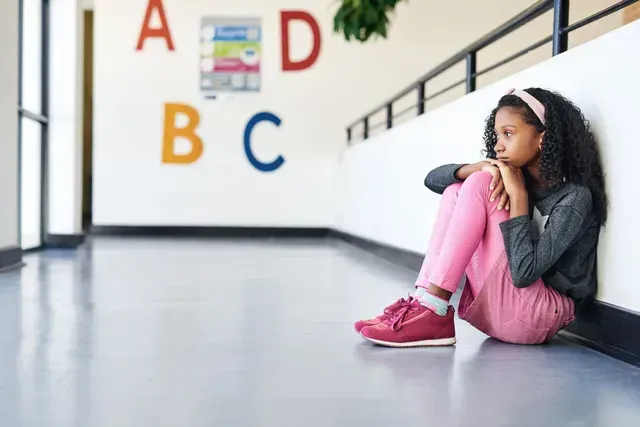
Grief in the Classroom: How Educators Can Support Grieving Students
Grief is a complex and deeply personal experience that can affect anyone, including students. When a student is grieving, the impact can be far-reaching, influencing not only their emotional well-being but also their academic performance, social interactions, and overall sense of security. As educators, it is crucial to recognize the signs of grief and to provide a supportive environment where students can navigate their emotions in a healthy way.
Understanding Grief in Students
Grief can stem from various sources—loss of a family member, friend, pet, or even the upheaval of a major life change like divorce or relocation. Each student will process grief differently based on their age, personality, and the nature of the loss. Common emotional reactions include sadness, anger, confusion, anxiety, and even guilt. Physically, students might experience fatigue, headaches, or changes in appetite. Academically, grief can lead to difficulty concentrating, a decline in grades, or a lack of interest in school activities.
Grieving students might also exhibit behavioral changes such as withdrawal from social interactions, irritability, or increased dependency on adults. Understanding these varied responses is the first step in providing the appropriate support.
Creating a Supportive Classroom Environment
Foster Open Communication
Encourage students to express their feelings by creating a safe, non-judgmental environment. Let them know it's okay to feel sad or confused and that they can talk to you or another trusted adult whenever they need to. Use age-appropriate language to discuss grief and loss openly, which can help normalize these experiences.
Offer Flexibility
Grieving students may need time to process their emotions, which can make it challenging to meet deadlines or stay focused on assignments. Provide flexibility with homework, tests, and participation. Offer extensions or alternative assignments that are less demanding. This flexibility can ease the pressure on the student while allowing them to stay engaged in their education at their own pace.
Incorporate Grief Resources
Introduce grief-related books, activities, or discussions in the classroom that are appropriate for the age group. This can help students who are grieving feel understood and supported. It can also educate their peers about empathy and the impact of loss, fostering a more compassionate classroom community.
Be Mindful of Triggers
Certain activities, holidays, or topics may act as triggers for grieving students. Be sensitive to these potential triggers and offer alternatives or modifications when necessary. For example, if a class project involves creating a family tree, provide an option that allows the student to participate without causing distress.
Encourage Peer Support
Encourage students to support their grieving peers in positive ways. This could involve creating a buddy system, where a classmate checks in with the grieving student, or facilitating group activities that promote teamwork and empathy. Peer support can be incredibly powerful in helping students feel less alone in their grief.
Maintain Routine with Compassion
While it's important to be flexible, maintaining a routine can provide grieving students with a sense of normalcy and stability during a turbulent time. However, this should be balanced with compassion—understanding that the student may need to step away or take breaks when emotions become overwhelming.
Grief is a challenging journey for anyone, but it can be particularly difficult for students who are still developing emotionally and cognitively. As educators, you play a pivotal role in supporting grieving students by creating a compassionate and flexible environment that acknowledges their pain while encouraging their continued growth. By fostering open communication, offering flexibility, and collaborating with school counselors, you can help grieving students navigate their emotions and find a sense of normalcy in the classroom. Your support can make a significant difference in their ability to cope with loss and continue their educational journey.